Honey Apple: A Font That Feels Like a Warm Conversation
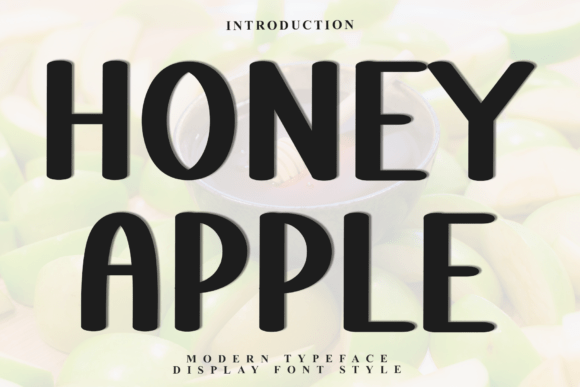
There’s a particular quality to a typeface that makes you lean in, not because it’s shouting for attention, but because it feels genuinely approachable. Honey Apple is that kind of font. It’s a premium font with a soft, rounded personality, designed with strokes that feel intentional and organic. It’s not trying to be the loudest voice in the room; it’s aiming to be the most remembered. Its unique character comes from a careful balance—it has the warmth of a handwritten font with the structure needed for professional use, making it a versatile creative font for a multitude of projects.
Where Honey Apple Truly Shines
Understanding a font’s sweet spot is key to using it effectively. Honey Apple isn’t a one-size-fits-all solution, but for the right project, it’s transformative. Its friendly demeanor makes it a standout choice for logo design, especially for brands in the wellness, artisan food, boutique retail, or lifestyle spaces. Imagine it on a café menu, a skincare product label, or a handmade goods shop header—it immediately establishes a sense of authenticity and care.
In packaging design, it can elevate a product from generic to giftable. Its legibility at various sizes works well for both product names and supporting text. For editorial design, consider it for feature headers, pull quotes, or chapter titles in a cookbook or lifestyle magazine to add a touch of personal elegance. It translates beautifully to web design for hero sections, service offerings, or blog post titles where you want to connect emotionally with the reader. Social media graphics also benefit immensely; Honey Apple can make announcements, quotes, and promotional posts feel more personal and engaging in a crowded feed.
The Practical Impact on Your Projects
Beyond aesthetics, a typeface influences how your audience perceives and interacts with your content. Honey Apple’s rounded forms and gentle flow contribute positively to readability, particularly in shorter bursts of text. It guides the eye smoothly, which is crucial for maintaining visual hierarchy in a layout. You can pair it effectively with a clean sans serif font for body copy, allowing Honey Apple to handle the expressive, attention-grabbing headlines while the sans serif ensures comfortable reading for longer paragraphs.
This pairing strategy is fundamental to strong brand identity. Using Honey Apple consistently across your touchpoints—website, business cards, packaging, social media—builds immediate recognition. It tells a cohesive story about your brand’s values: approachable, detailed-oriented, and creative. For a small business owner or content creator, this consistency is what transforms casual viewers into a loyal audience. It signals professionalism without feeling corporate, striking a balance that many modern brands strive for.
Integrating Honey Apple Into Your Design Toolkit
Before diving in, a thoughtful evaluation ensures the font is the right fit. Start by testing it with your core messaging. Does it capture the right tone? Review the full character set—does it include the ligatures, alternates, or multilingual support your project might need? A true premium font often includes these design assets, providing greater creative flexibility.
When considering font pairing, experiment on screen. Place Honey Apple next to a few different sans serif or even a subdued serif font. Look for contrast in weight and style without conflict. The goal is harmony, not competition. Always conduct a readability test at the sizes you intend to use, especially for web design where screen resolutions vary. Check how it renders in both light and dark color schemes.
Finally, clarify the licensing. As a commercial font, Honey Apple will come with specific terms. Ensure the license covers your intended use, whether it’s for a client’s logo, a series of products for sale, or digital templates. This due diligence protects your work and the font creator’s craft. When used thoughtfully, Honey Apple becomes more than just a typeface—it becomes a foundational element of your visual communication, helping you craft messages that resonate and designs that feel authentically yours.